

VintagEuro #013
When Turbos Changed the Game

Sometimes it’s hard to believe just how common turbochargers are in today’s vehicles. They’re so ubiquitous - appearing in everything from basic economy cars on up - that they don’t even feel that special any more. But that wasn’t always the case.
From the mid-1970s through the 1990s, “turbo” became shorthand for maximum performance. Not surprisingly, many European brands adopted turbocharging early on as an effective means to make their often underpowered small-displacement models more competitive against American performance cars. Even in the Malaise Era that neutered their natural advantage, V8 engines remained a mainstay of US carmakers.
Somewhat ironically, Detroit first experimented with production turbochargers in the early 1960s with the short-lived 1962 Oldsmobile Jetfire and Chevrolet Corvair Monza models. But a decade later, it was the Germans who took the baton and got the market moving.
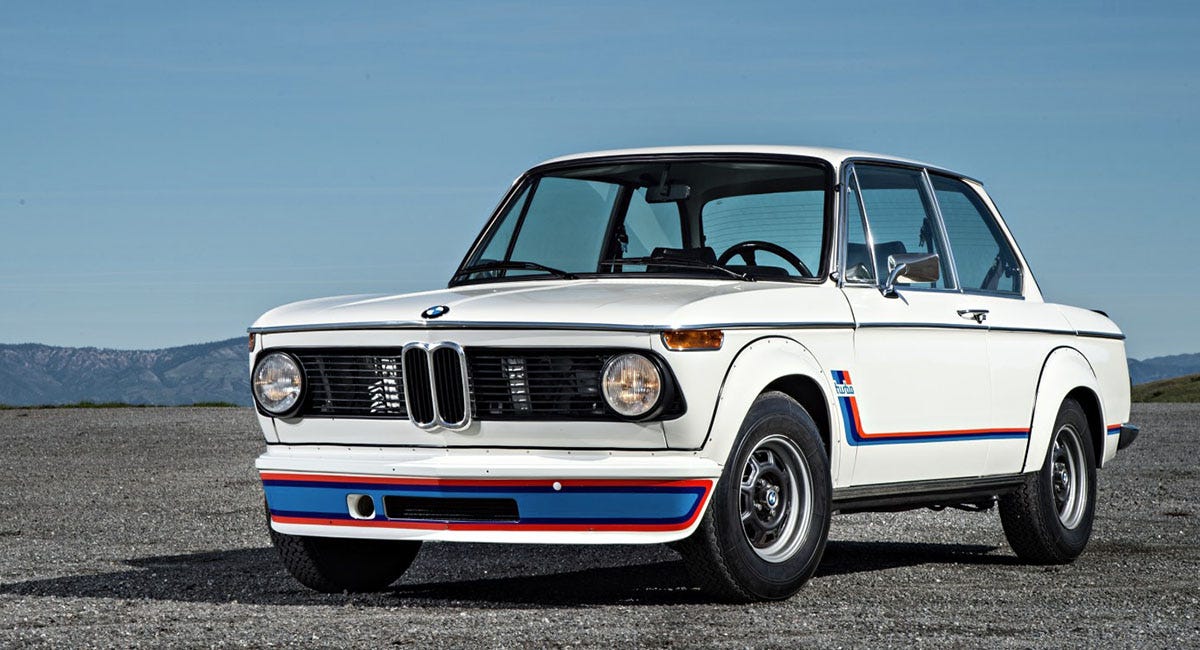
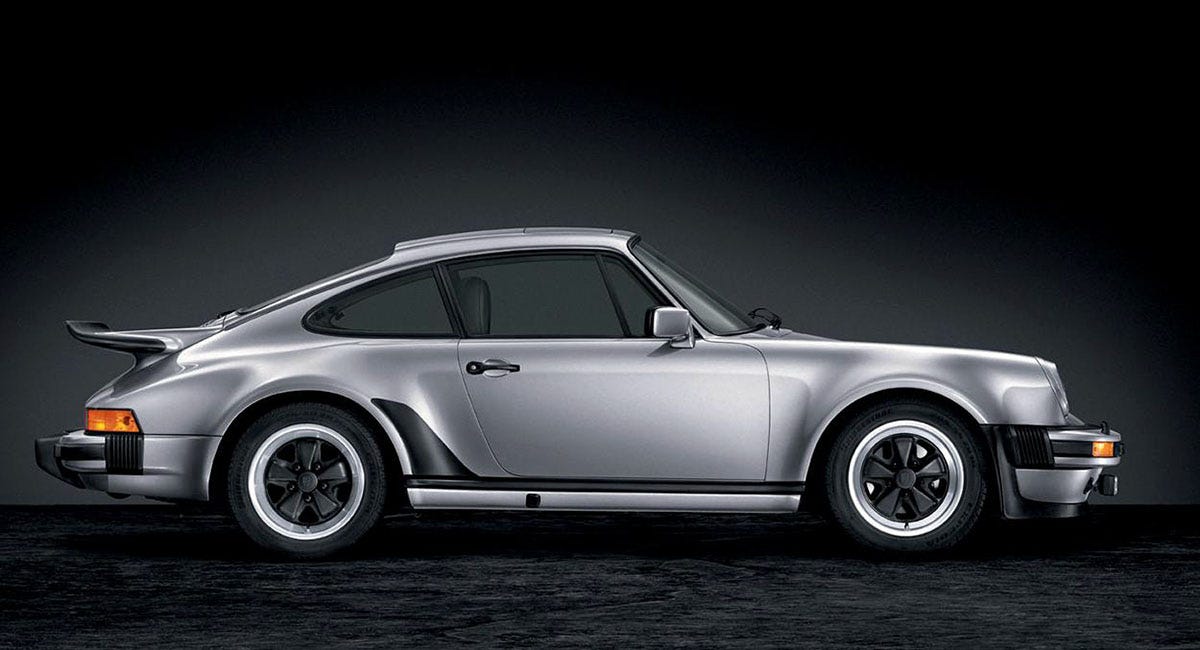
First was the BMW 2002 Turbo in 1973. By bolting a KKK charger to the venerable 2.0-liter M10 four-cylinder, the already lively compact coupe jumped from a feisty 130 to a rowdy 170 horsepower. Porsche followed in 1975 with the 911 Turbo, also known as the 930. Its Euro-spec 3.0-liter flat-six showed similar gains, jumping from 200 horses to 260 with the addition of a turbocharger. Unlike the BMW, the 930 was eventually sold stateside, and even with its performance-sapping EPA-compliant thermal reactor catalysts, it still managed 245 horsepower.
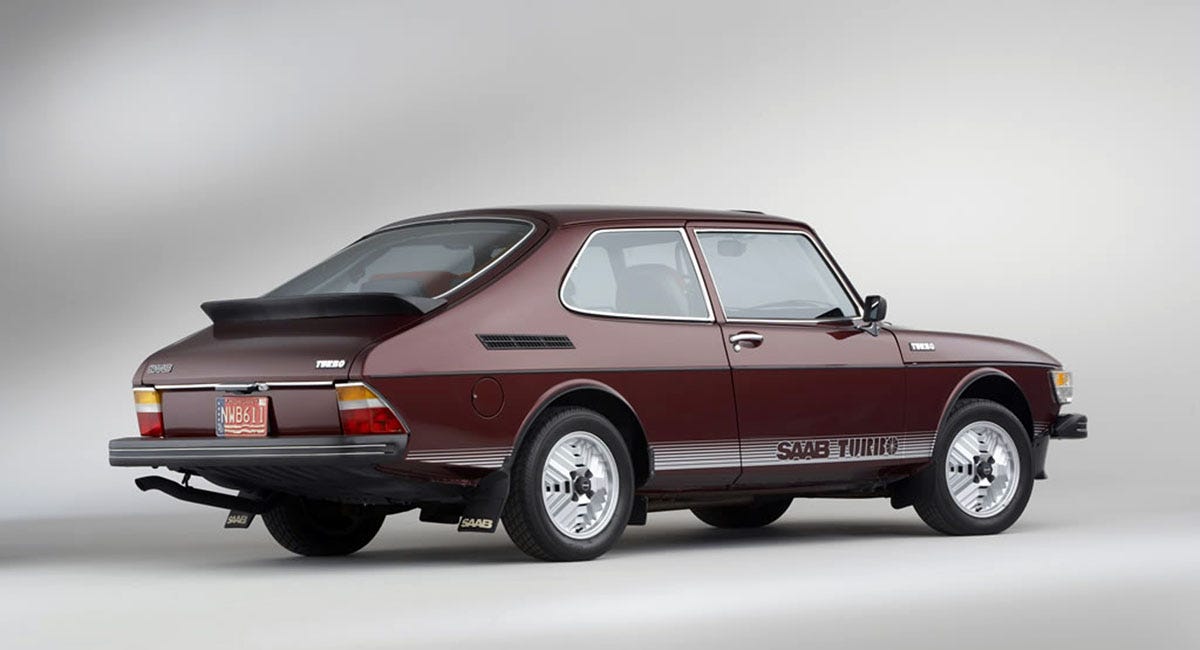
By the end of the ‘70s, the wastegates were opening up, so to speak. Saab introduced the 99 Turbo in 1978, the first real family car to see the technology since the ‘60s. Despite years of success in the rally scene, that model single-handedly changed opinions about the quirky Swedish maker, giving it true performance credibility.
The 1980s, however, were the golden age for turbo power. Saab built on its experience with the addition of Automatic Performance Control, or APC, for a more manageable power delivery in its 900 sedans starting in 1982. No surprise then, Volvo answered its Swedish rival with the 240 Turbo. Audi combined turbos with its pioneering quattro all-wheel drive system to simultaneously dominate racing while mainstreaming both of those emerging technologies.
On the low-end of the market, Renault produced the Fuego Turbo, a VW Scirocco-like sport coupe that made 134 horses from just 1.6 liters. At the other end entirely, Ferrari was adding a pair of turbos to its compact V8s to create the incredibly desirable 288 GTO and eventually the legendary F40. And the middle ground was occupied by oddball models like the Merkur (Ford of Europe) XR4Ti which borrowed a boosted version the Pinto-derived 2.3 liter engine, of all things.
Turbochargers cast their performance glow on a wide range of cars that were previously overlooked by enthusiasts. The brief but meteoric success of FIA’s unlimited Group B rally class helped with that effort, making heroes out of overboosted homologation specials like the Ford RS200, Peugeot 205 T16, Lancia 037 and Delta S4, Audi’s Sport Quattro, and Renault’s R5 Turbo. And let’s not forget the Porsche 959, which won the 1986 Paris-Dakar Rally and laid the foundation for today’s high-performance 911s.
The aftermarket loved turbochargers as much as the manufacturers did, riding their boost to a modern hot rod era. Callaway produced turbo conversions for the VW Rabbit GTI and Alfa Romeo GTV6. Alpina applied its race-derived knowledge to BMW sedans like the E12 5-Series-based B7 Turbo after the factory phased out the 2002 Turbo. The Buchloe-based builder even went the twin-turbo route for the later E34 5-Series-based B10 sedan long before Munich would revisit turbos for production.
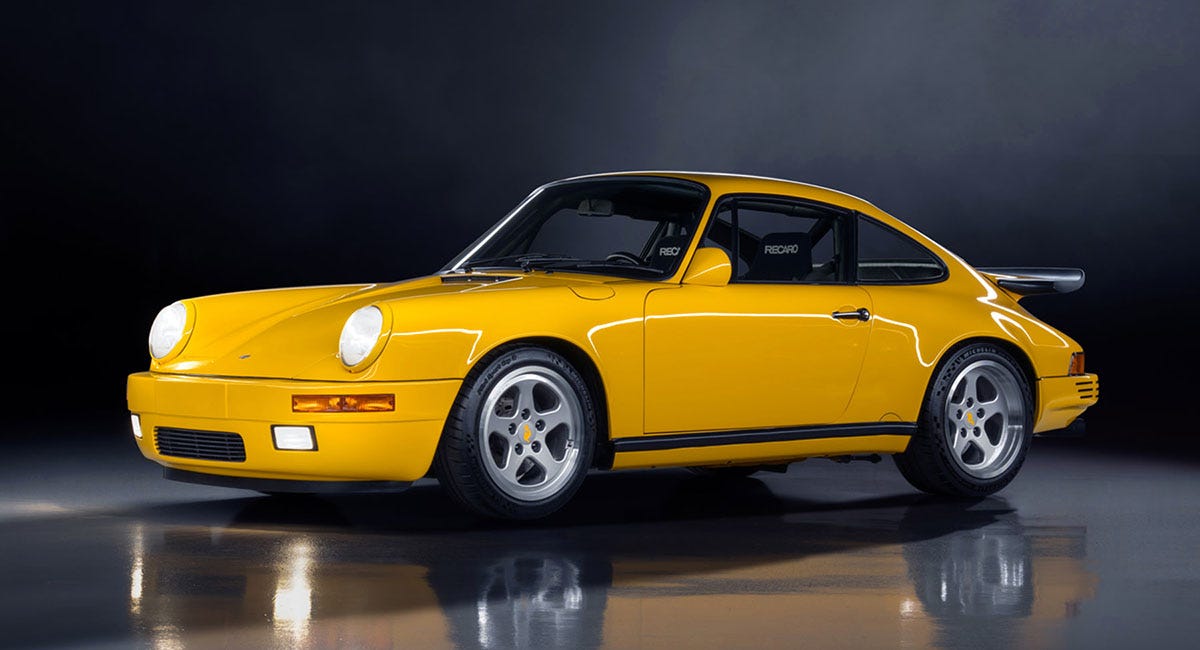
And then there was Ruf with its otherworldly CTR, better known as the “Yellowbrid." As the pinnacle of late-‘80s style and performance, the CTR made true believers out of every automotive journalist that got seat time in one. Only 29 examples were ever built, and one recently sold at the Gooding & Company auction at Amelia Island for a tick over $6 million. Clearly, these were special cars. And they were only capable of stratospheric performance (for the day) because of turbochargers.
By the end of the 1990s, turbos were finding their way into a lot more cars. Sure, 911 Turbos were now part of the regular Porsche model mix, but when VW put the 1.8T four-cylinder in the 4th-generation Golf GTI in 1999, it brought the turbo wars to the masses.
In today’s market, electric cars easily make 600 or more horsepower effortlessly. It begs the question: does “turbo” still carry any weight? In many ways it still does. Porsche goes so far as to gives its current top-performing electric cars the Turbo designation. But for those of us who grew up in the age of the turbo revolution, it’s especially meaningful and always will be.
Goods & Gear
Turbo 3.0 Limited Edition Book
If you’re looking for the definitive history of the original Porsche 911 Turbo, look no further than Turbo 3.0, the 536-page book written by Ryan Snodgrass and designed by Richard Baron. It is a glorious volume with countless details about the car that essentially became synonymous with the word “turbo.”
Limited to just 2,500 copies in total, it’s a must-have for Porsche Turbo enthusiasts. It packs more than 1,500 pictures (most of them color) that include such references as paint, fabric and leather colors. The book is a coffee table treasure sized at 10-3/4” x 12-3/4” and includes a hardcover slipcase for safekeeping.
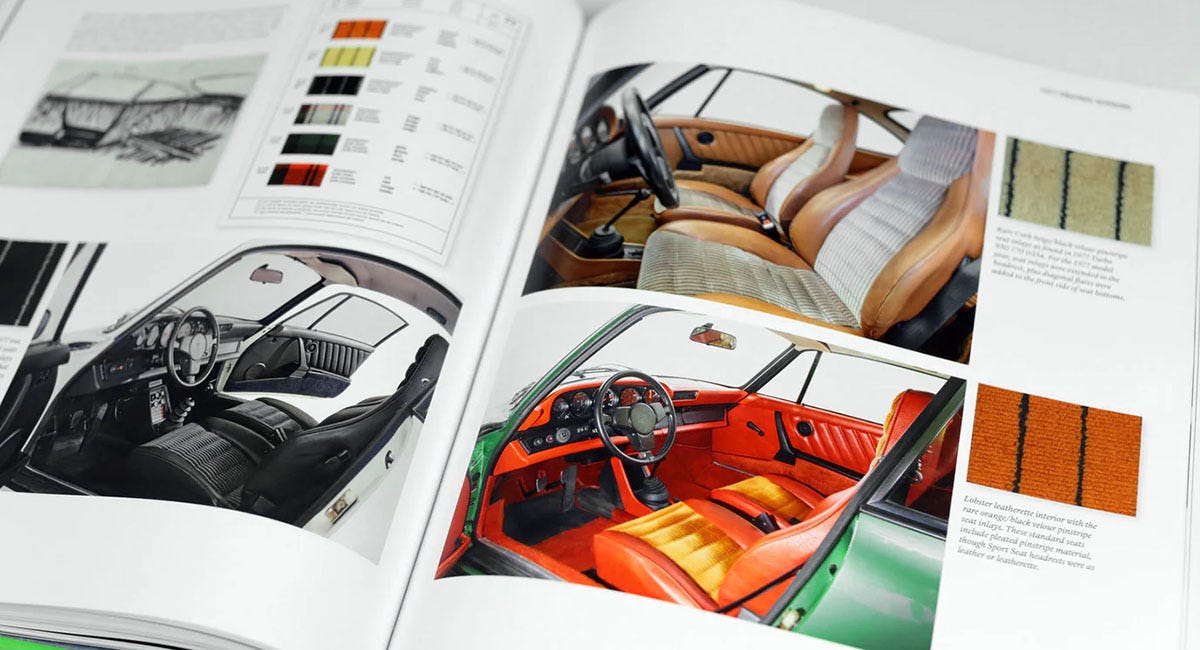
Released in 2018, there are (miraculously) still new copies available for sale directly from the publisher, Parabolica Press.
Classics & Cocktails
Overboost
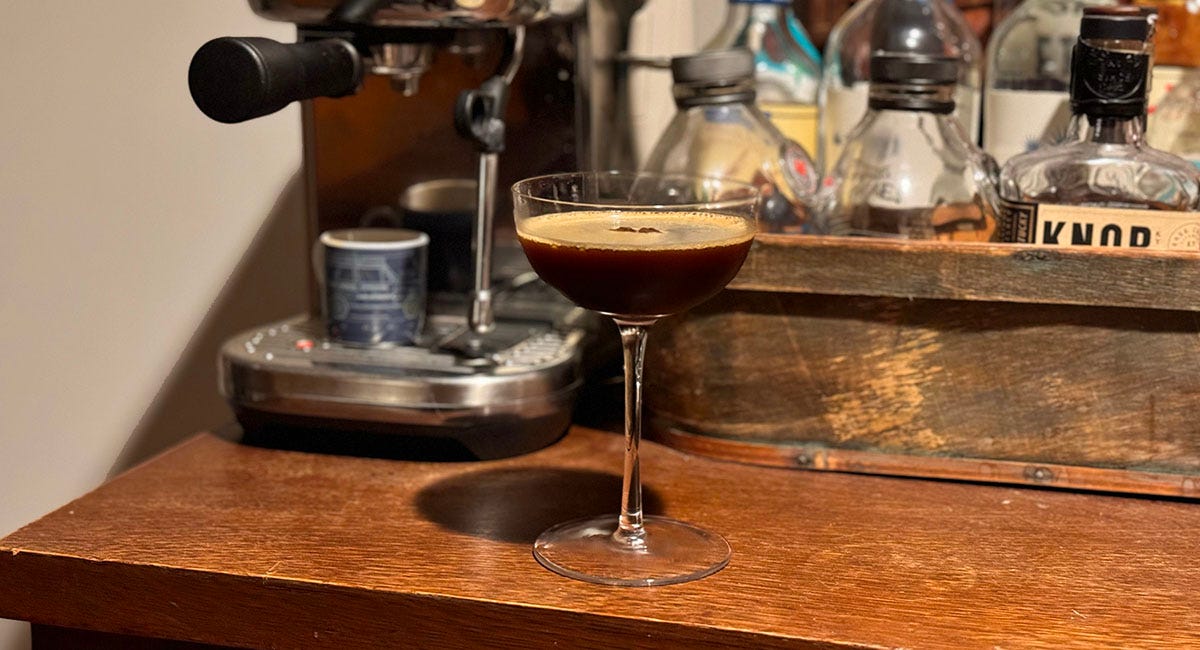
A robust take on the Espresso Martini, the Overboost shakes off the lag from a traditional vodka cocktail with a caffeinated surge of excitement from a freshly pressed espresso. A splash of Kahlúa coffee liqueur serves as a blow-off valve, balancing the bitterness of the espresso with a hint of sweetness.
Like other Martini drinks, it’s best served in a chilled glass. But the secret to getting it just right is letting the hot coffee chill in the freezer a couple minutes while you prepare the other ingredients. This keeps the ice in the cocktail shaker from diluting the drink with too much water.
Ingredients
2 ounces vodka
1 ounce espresso or cold brew coffee
1 ounce coffee liqueur (e.g., Kahlúa)
Dash of chocolate bitters (optional)
Ice
Coffee beans for garnish
Procedure
Brew fresh shot of espresso and let cool in freezer briefly
Add vodka, espresso, coffee liqueur and bitters (if using) to a shaker filled with ice
Shake vigorously until chilled
Strain into a chilled coupe glass
Garnish with a couple coffee beans